 Have you ever felt like you were falling short at work, even though you were putting in the effort? Many leaders, just like me during my recent sailing course, face challenges that can derail their progress. The key is to learn from them, build resilience, and come back stronger.
What a learning curve it has been! This blog could have gone two ways. Either I would be reporting how I didn’t pass my Level 1 training for the Clipper sailing race, or I’d be sharing how I managed to pass it. I am glad to report that while I didn’t pass my first Level 1 training in May, I did succeed when I took it a second time in early July. Starting a New Adventure Who knew how wild this would be! I think I totally forgot that I would be training for a race. I got my money’s worth of learning that week. Paired with 7 men who had sailed before and another man who took to it easily, it was quite the experience. We made a good team. The skipper and two mates were great, and our second mate, Heather, had just won an all-women around the world sailing cup, Heather. BBC News. Even though I was disappointed about not passing initially, it was well worth it to cement all these new terms (grinding, halyard, pulpit, foredeck) and understand the sequence of hoisting the mainsail, the staysail, and the yankee, as well as gybing, tacking, reefing, and dropping the mainsail. The first three days of weather were great, and we had a fantastic last day with winds that allowed us to tip on both sides, port and starboard. This would help prepare me for my “take two” Level 1 training. One of my clients, promoted a year ago, did well setting his strategy and challenging his team to take on new challenges. However, he didn’t plan for a new peer with a different vision on a joint project. He had to rise to the occasion, negotiate, and seek alignment with leadership. It was a tense situation he managed well. Coupled with personal challenges, he had to revisit his values and priorities to avoid burnout. Great new opportunities often bring challenges, and many aspects of life must be managed to navigate each step of the journey. How to Strategically Manage the Pressure “It’s barely perceptible, but he was pacing himself, deliberately spreading his energy out to maximize his performance over the whole distance. This is why the psychology and physiology of endurance are inextricably linked: any task lasting longer than a dozen or so seconds requires decisions, whether conscious or unconscious, on how hard to push and when…” Alex Hutchinson. Endure (p. 11). HarperCollins. Kindle Edition. “Tenacious” was the name of the Clipper sailing boat for my second attempt at Level 1 sailing. It became my word of the week. I was tenacious and I’m now moving to Level 2. It took more physical weight training, swimming, studying, and a lot of commitment. The last day of training was our skipper Guy’s birthday. He was a great skipper and trainer. On to the next! Guy Waites’ Accomplishments https://goldengloberace.com/skippers/guy-waites/?fbclid=IwZXh0bgNhZW0CMTEAAR0VOCotmivAsM2oHKXwbYX9sF_QB2w7OKPLr2Red5S3qfuzapl9l4MhFiQ_aem_cSM61oPhL03u9JsZz4d08Q A win isn’t a win until it’s a win and that is how I approached the week. Sustained energy spread over each day, early rising, clear positioning to learn all the skills needed, practice of knots, and review of sail sequences plus acing the written exam on the first take this time. When my clients are working on getting their next promotion, they must address the gap between where they are and where they are going. Stretch assignments, building a stronger network, seeking mentors and sponsors, and having a plan are crucial. Once they get the promotion, it’s time to plan their first 90 days, revise career goals, identify first wins, and build alignment with key stakeholders. Endurance “A suitably versatile definition that I like, borrowing from researcher Samuele Marcora, is that endurance is “the struggle to continue against a mounting desire to stop.” That’s actually Marcora’s description of “effort” rather than endurance but it captures both the physical and mental aspects of endurance. What’s crucial is the need to override what your instincts are telling you to do (slow down, back off, give up), and the sense of elapsed time.” AlexHutchinson,. Endure (p. 10). HarperCollins. Kindle Edition. I resonate with this definition because I know I can’t drop the ball between each clipper training. We get assessed on knowledge and safety both intellectually and in practice at every training. My new sailing colleague, Louis, had posted a weight training program for sailing. Weight Training for Sailing https://www.outsideonline.com/health/training-performance/how-train-sailor/ I reviewed it with my trainer Yassin at Anette K. https://www.annettek.fr. We modified it, and I committed to it three days a week throughout June, with a few swims in between. My strength and energy were much better the second time around. On level 2 we will be at sea for four to five days, learn to do watches and sailing at night. My goal is to up my game with more weight training and more swimming for two 5K swims that are coming up in late July (Anglet, France) and early August (Brissago, Italy). Nothing is won until it’s won. I am even contemplating adding a Leg for the 2025-2026 race after Level 2. I see my clients get elated when they finalize big projects, achieve goals, or get promoted. I also see them dealing with pressure, challenges, and difficult stakeholders. Sustainability and endurance are crucial during long, sustained challenging times. Strategically planning how to tackle long and difficult projects and urgent timeline requires astute thinking on managing not only information, plans, and people but also mental and physical energies. If you are interested in thinking strategically about your career plans and working on your endurance in 2024, getting feedback through a 360, or creating a. career or leadership development plan, you can learn more about our services at our website at www.desormeauxconsutling.com www.desormeauxconsulting.com or contact me directly [email protected].
0 Comments
 As the new year begins, I find myself gearing up for an exciting journey – a sailing expedition with Clipper Ventures. The challenge is real, as are the doubts: Can I really do this?
Training and Preparation In 2025, I will be sailing from the south of England to compete with a diverse team of experienced and non-experienced sailors, aiming to reach Uruguay. Four one-week training sessions between May 2024 and September 2025 will help prepare me for this epic adventure. Learn more about Clipper Ventures: https://www.clipperroundtheworld.com https://youtu.be/9SaXgyn1aDQ?list=TLGGgg2AH8Hjj4ExMTEyMjAyMw To ensure my readiness, I’m learning everything I can before my first training, including reading the book Victoire en solitaire, Eric Tabarly’s account of his triumphant solo crossing of the Atlantic in 1964. On the physical front, I’m researching swims I can do while I’m in France this year, such as:
In anticipation of my upcoming adventure, I’ve also been watching closely the experiences of participants in the Clipper Race 2023-2024. https://youtu.be/9SaXgyn1aDQ?list=TLGGgg2AH8Hjj4ExMTEyMjAyMw The excitement builds, but so does the reality check of what lies ahead. Navigating Career Challenges Some of my clients experience a similar mix of excitement and worry during career transitions. Whether it’s promotions, transitions to new companies, mergers, or stretch assignments, we explore their reactions, working through the process to find stability and grounding for stepping up. Setting new goals is exciting for some clients, as it is for me. From envisioning career changes to planning for bigger challenges or building new competencies, the process involves thorough visioning, research, and scenario planning. I’ve had the privilege of guiding a client through a successful transition from a Senior Vice President role to assuming board positions and eventually attaining the position of CEO. Collaboratively, we created a comprehensive plan with a timeline, enabling her to promptly initiate the steps to transform her envisioned scenarios into reality. Over the next few years, she not only executed but also excelled in implementing all these scenarios. Leaders seeking their next challenge often need a partner in the imagining and mapping phases. Visioning, research, analysis, and planning pave the way for adventures and challenges. Personal Commitment As I prepare for my first training in May, I am hard at work eating a healthy diet, swimming at the pool, and working out at the gym. This training will require getting the right gear, learning about safety protocols, and mastering ropework and the use of deck equipment. Ultimately, my Clipper Race journey is not just about sailing across ocean, it's about equipping myself to be a more effective coach and partner for clients navigating their own unique career adventures. By investing in my own growth, I invest in the success of my clients and the value I bring to their professional journeys. As you gear up for your next adventures, projects, and stretch assignments, I wish you a fantastic new year filled with exciting journeys and accomplishments. Stay ready for what lies ahead!  Swimming pools are everywhere. You just need to find them and go swim. Like discovering swimming pools around the world, leadership training opportunities are everywhere.
What are you waiting for? Swimming Across the Globe When I was training for a 4.4-mile swim, my coach emphasized that swimming pools can be found wherever you travel. This motivated me to keep up with my training, even during trips. At the time I was traveling to Paris to train to become a supervisor of coaches, a program requiring seven visits within a year. I found a few pools to keep up my practice. Lately, I have been coming across captivating stories about swimming pools in unexpected contexts, from novels to documentaries. The New York Times recently ran an article on swimming pools in Paris and the habits of French swimmers https://www.nytimes.com/2023/09/03/world/europe/paris-france-swimming-pools.html. Julie Otsuka’s 2022 novel, The Swimmers, features a group of swimmers in an underground town pool. And “Swimming Pool Stories” by Jon Karl Helgasohn is a film that explores the history and narratives surrounding the construction and development of swimming pools in Iceland over time, delving into their unique stories and cultural significance. https://www.icelandicfilms.info/films/nr/2140. I stumbled upon the documentary during an Icelandair flight to the United States, which now has inspired me to plan a trip to Iceland with a friend to experience their pools and natural springs. Parisian Pool with a View Currently I am living in Paris for a year and have discovered another fantastic pool for my swimming practice: the Anette K https://www.annettek.fr. This unique pool, situated on the Seine, is owned, and operated by a French film producer. It offers breathtaking views, and as I swim in the morning, I’m greeted by the sight of a hot air balloon ascending. Who knew that training for my swims could be so beautiful? My next goal is to participate in open water swims across Europe, starting with a 2.5-mile swim in a lake between Italy and Switzerland next summer. Unlocking Leadership Opportunities Leadership trainings and opportunities, like swimming pools, may be found anywhere; all it takes is finding them and embarking on a journey of learning and skill building. My clients all understand that leadership is an ongoing journey that requires continuous practice, learning, and updating. Just like perfecting swimming strokes, improving your strategic, relational, and leadership skills is always possible. Learning can take many forms: a trusted leadership engagement, a coaching engagement or a training course, reading a book or listening to a podcast. Working with a mentor, gaining knowledge, and identifying skill gaps are all vital steps in building and enhancing your leadership muscles. It's all about embarking on an adventure to discover what skills you want to develop or master next. What will complement the skills that you’ve already cultivated? Are you ready to leverage your strengths to maximize your potential as a leader? If so don’t hesitate to reach out to me at [email protected] for a conversation about your leadership needs. 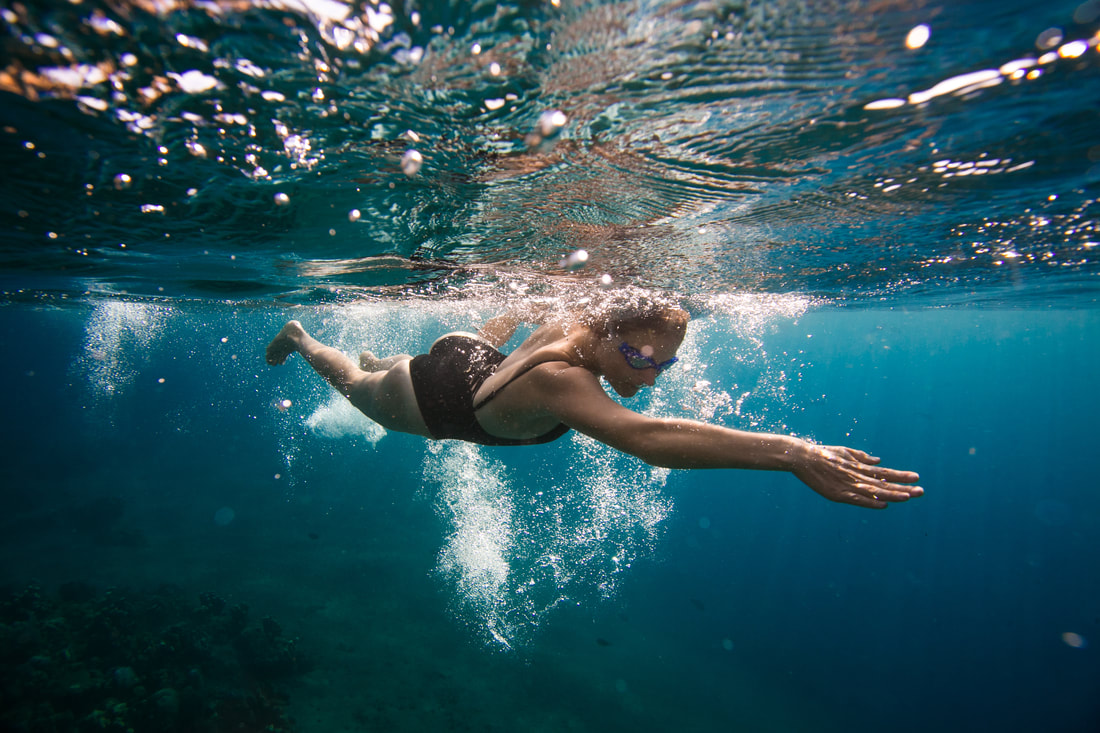 I did it! I completed the 4.4 mile Chesapeake Bay Swim again. It felt great. This was the fourth time I participated in the Chesapeake Bay Swim. The first time I came close to the finish, and the second time the currents were too strong and I was pulled out early. So I redoubled my efforts with three coaches and finally the finished the race on my third attempt. Following that success, I kept training and decided to take on the challenge once more this year. And guess what? I did it! I completed the 4.4 mile Chesapeake Bay Swim for the second time.
Valuing Our Accomplishments Given society’s focus on achievement and the pressure to constantly strive for more and even surpass ourselves, it is important to pause and appreciate our own accomplishments, both in our personal and professional lives. What was wonderful about this swim was that I was relaxed about getting in the ba. I knew my strength and my body, and I felt confident in applying everything I had learned over the year. I entered the first mile, focused and relaxed, and paced myself. During the second and third miles, I felt strong, if not spectacular. The fourth mile was tough, requiring intense concentration to navigate the currents from the left bridge to the right bridge while advancing. I saw the 4th mile post and just kept going. The final .4 miles demanded all my energy, and I was fatigued by this point. But it felt like the water itself was propelling me towards the shore, and that was a plus. I did it again, finishing just 6 minutes over my last swim. Three hours and 49 minutes, adjusted for my group. I’ve been feeling exhilarated, happy, content, and energized. I have achieved this. It was an investment of time, practice, and patience, and I have proven to myself that I am capable. I firmly believe that the weekend at Lake Placid a few weeks before, organized by my coaches Rob and Stephanie Colburn https://colburnbodyconcepts.com was what clinched my personal win. For three days I trained alongside a small group of ironmen and women, as well as another swimmer named Jane. Jane and I were practicing our lake swims while the ironman athletes were biking, running, and swimming in preparation for their upcoming events. Being surrounded by such strong athletes inspired me to give my best and push harder. Going For It! Many of my clients aspire to grow, better themselves, and make greater contributions to their organizations and colleagues. Once they clarify what their strengths are and areas for development, they possess the foundation to craft a plan for their desired outcomes. I believe that some leaders and managers underestimate the importance of stepping back to gain clarity in this process. I’ve witnessed my clients really open up, gain clarity, and achieve amazing results when they address time management, prioritize their goals, and adopt a strategic mindset. Empowering them with control over their time, organization, and leveraging their strengths has not only changed how they perceive themselves but has also inspired and motivated others who witness their newfound leadership and management capabilities. Leveraging Your Community Achieving clarity and growth calls for more than just self-reflection. [NE2] It requires reaching out and asking for feedback. Once my clients articulate their strengths and areas for development, I encourage them to share their insights and gather feedback from their managers and key stakeholders. This allows them to gain fresh perspectives that can inform their plans. Once the plan is set, another crucial conversation needs to take place. When they are seeking opportunities for stretch assignments or leveraging their strengths, I encourage them to engage in further discussions with key stakeholders at various levels to uncover synergistic opportunities, committees, or projects to contribute to and collaborate on. What Have You Accomplished Lately That You Are Proud Of Take a moment to consider: What have you accomplished lately that fills you with pride? What are your achievements this year? It does not have to be big. Every small step you’ve taken towards your goals deserves recognition and appreciation. One step at a time, one practice at a time, one collaborative session at a time. I encourage you to celebrate your efforts as well as your wins as the year unfolds. If you are interested getting feedback through a 360 or creating a career or leadership development plan you can learn more about our services and visit our website at www.desormeauxconsutling.com or contact me: [email protected]. 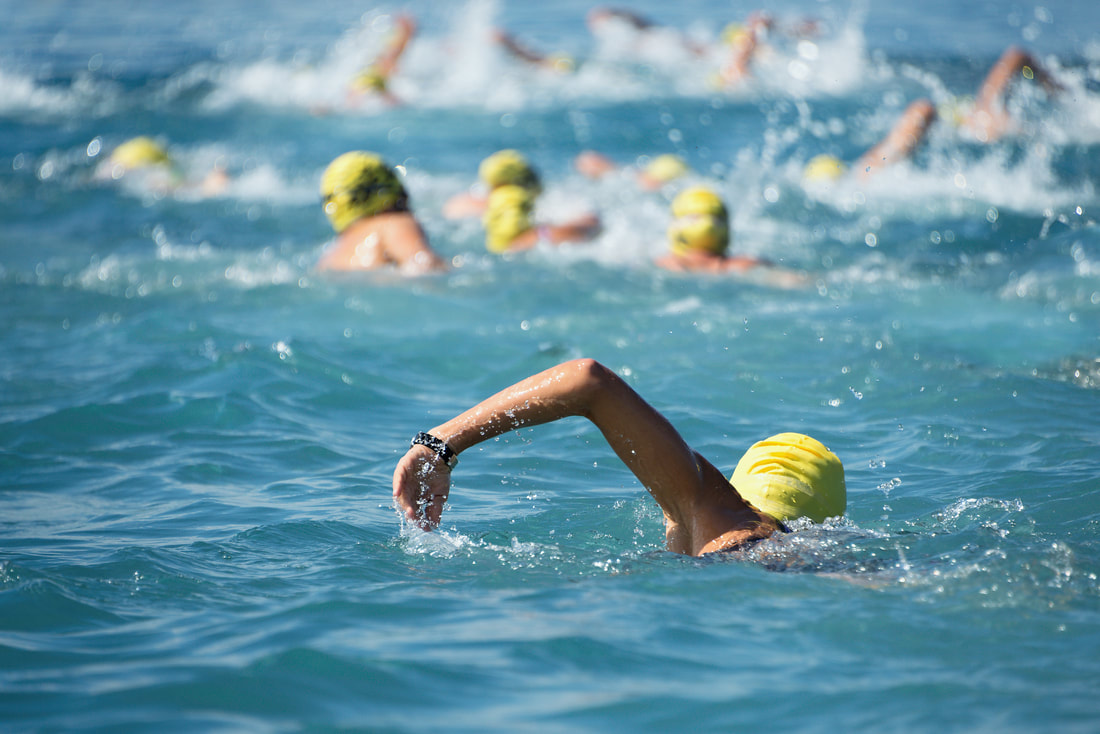 Many of us start a new year with resolutions, but fewer of us keep them. Did we lack willpower? Have a bad strategy? Forget to reward small successes? Let’s consider what it takes to hit our targets.
Be Tenacious Put your dreams on paper. No rest for the weary. Back in the saddle. Here we go 2023. I’m back at it. Chesapeake Bay Swim four here I come! I’ve swum three of the 4.4-mile Chesapeake Bay Swims and completed one of them., last year’s I’ve kept up with my training, but it’s become more serious again and I will require community and support. I’ve decided to return to my regular Sunday morning swim at the Jersey Aquatic Center Masters (JACM) and will train twice a week with colleagues at the https://www.usms.org/clubs/rutherford-masters-team club. In May, I will travel to Lake Placid to train in its refreshing cold water with my coaches Rob and Stephanie from Colburn https://colburnbodyconcepts.com and some of their athletes. Now I have a plan to swim the race again, hopefully with an even better time if the tide cooperates. Set Your Goals and the Desired Outcome For my clients, first things first. You must decide what your dreams or goals are for the year and write them down. Don’t just think it, write it. If you have trouble articulating your goals, then get some support. Many have done so through strategy planning and with their managers, identifying the goals they wanted to accomplish in the coming year. For career development, clarity of future roles is key. Clients can’t be afraid to say, “Here is where I am and here is where I would like to be in a year, three years or even further.” Articulating the desired outcome can be liberating as well as helpful in planning the steps needed to get there. What competencies are needed? What skills must be built? What stretch assignments secured? Pairing a career development plan to the career goals can give structure to the process. Then, through key conversations with your managers and key stakeholders, you can clarify possible future roles, competencies required, and a development plan to ensure the competencies and skills are developed. Get Clarity, Alignment, and the Right Support Clients might be afraid, believe they can’t, or have tried in the past with little success. But if they don’t keep getting up and trying, nothing will change. It took three attempts for me to finish the Chesapeake Bay swim. I learned so much along the way. During the training for the third try, I realized that I needed more than one coach, a community, and the right drills. Getting help in articulating the dream, the next role, or the next promotion may be key to getting started. What would it be like to have a courageous conversation with your manager about potential future roles? Who could support you in getting the courage to do so? Who could be a good mentor, internally or externally, to support you in articulating your dreams, goals, and roles? Seeking out diversity support through employee resource groups (ERGs) might also be beneficial as may seeking sponsors or training programs to assist with skill building and competency development. Surrounding yourself with mentors, sponsors, coaches, peer support, and ERGs could make a significant difference in completing your next stretch assignment, reaching your goals, and/or getting that next promotion. For my next race, I have a large community and coaches supporting me. It does not guarantee that I will finish it or that my time will be better. But I feel more knowledgeable about the process, understand what it takes, and recognize that I can’t do this on my own. Vive la communauté ! If you are interested in setting goals for 2023, getting feedback through a 360 or creating a career or leadership development plan you can learn more about our services and visit our website at www.desormeauxconsutling.com or contact me: [email protected].  I’m an executive coach for my business and corporate clients, but I also have received coaching from three swim and sports coaches! And what I’ve discovered lately is that different coaches have different points of view, know different methodologies, and approach sports and swimming training differently. Having three coaches was probably one of my keys to completing the 4.4-mile Chesapeake Bay Swim this year.
Business professionals might benefit from multiple coaches. When I meet my clients, some previously may have worked with a coach who helped them leverage their talents. The coach might have been a great fit at the time to help them learn a new skill or to address a behavior that was impeding their progress. They also may be currently learning from trainings, classes, and coaching on presentation skills. But they need me to conduct a 360 to help them address and improve, for example, their emotional intelligence or to learn to be more strategic. Amplifying Results Remember the book Multipliers, which explains that surrounding yourself with many smart people pays off? Well, it’s a little bit the same way with coaches. The right coaches complement each other and can help amplify results. Rob, my first coach, and his wife, Stephanie, have watched me evolve from running marathons to completing small triathlons. They even met me and two friends at the Chesapeake Bay swim a few years ago, which I couldn’t finish. Because my training pool was closed during COVID, I started training in two other venues. One masters group introduced me to Jerry, and the other to Mingi. Rob has been scheduling my weekly training swims for years. I trained last year with Jerry at the Berkeley Swim Club on Sunday mornings and with Mingi at the YMCA Meadowlands during the week. Jerry drilled everyone in hour-and-a-half sessions and started teaching me how to build and time my swims. Mingi was the drill master with IM - individual medley event (butterfly, one arm, the other, both arms followed by back stroke, breaststroke and freestyle). She is relentless and worked on our breathing as well. We also had a What’s app where she posted the workouts if we missed a morning, just to tempt us to go back the next day. I’ve never so much felt camaraderie and engagement in a sport. Talk about staying motivated! Becoming Our Best in Community I coach participants in career advancement programs where everyone is learning together, taking classes, and working on their career leadership development plans. They are surrounded by knowledge, learning from their managers, peers, mentors, and sponsors. When you are surrounded by other people striving to be their best, learning together, getting coached and supported by many, and learning at the same time, a momentum is created that keeps you motivated. One of the best parts of these career advancement programs is that they are done with a lot of support as well as peer encouragement. Rob and Stephanie continually send emails throughout the year to all their athletes celebrating wins. Mingi was a natural in creating a sense of community and camaraderie. Every time I show up for these races I meet enthusiastic fellow swimmers who have trained and who wants to do their best. Leaders I’ve coached have benefited from advisors, managers who took interests in their leadership growth and in previous coaches who’ve helped them in their leadership journeys. I love joining them in helping them and focus on helping them where they are at in their journey. When it comes to career advancement, leaders can benefit from diverse coaches, mentors, champions, and sponsors throughout their career. I’ve seen the benefits in the career advancement programs I’ve coached in and in the power of leaders having multiple points of support in reaching their career goals. It amplifies results. There may be a lot changing around us but striving to get better, doing what you enjoy, learning to do it better, and doing it with a community and a base of support maybe what it’s all about. If you are interested in learning more about our executive coaching packages or our career advancement programs for diverse groups , you can visit our website at www.desormeauxconsutling.com or contact me: [email protected]. 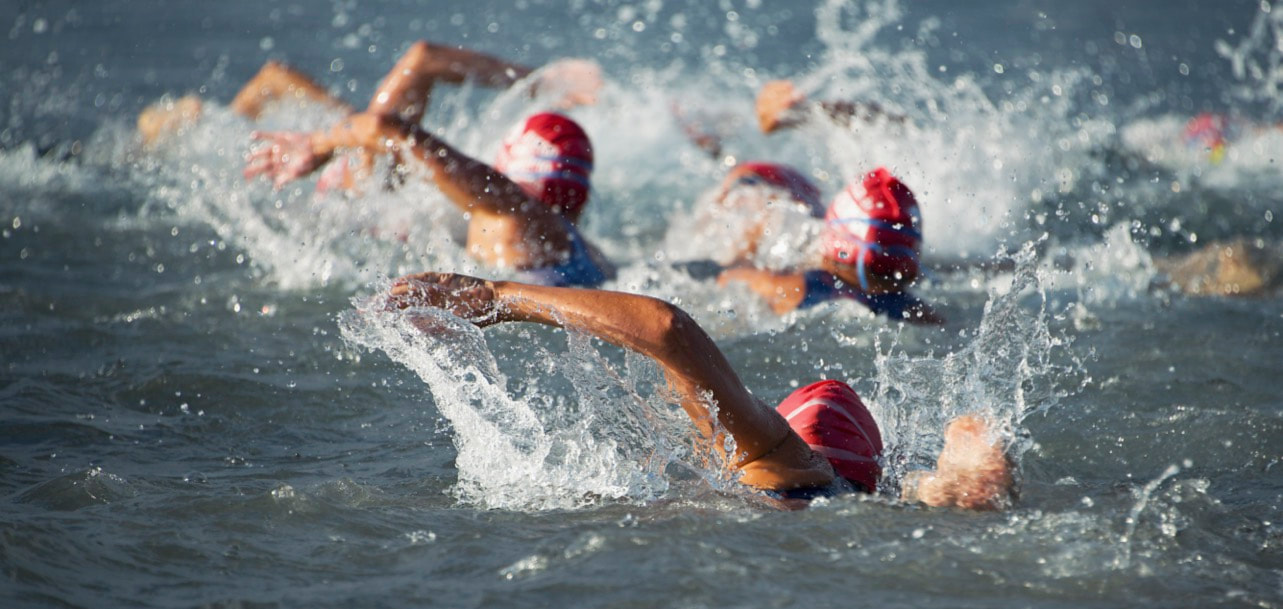 When I first set out to conquer the 4.4-mile Chesapeake Bay Swim http://www.bayswim.com, I thought I was ready. All year I had been swimming two or three times a week; I had completed a 2.4-mile swim; and I’d been swimming 1.4-miles routinely for the prior decade.
My first attempt was nearly successful, but I got pulled out just before the 4th mile. Then I was pulled out of my second attempt, as were many other swimmers, because of the current around the second mile. The conditions were not ideal. I was determined to give it another shot, and this time it worked. In June of 2022 I completed the 4.4-mile swim, accomplishing my goal. I did it exactly in the time allocated to finish: 3 hours and 45 minutes. Mindset Each of us has beliefs that shape how we think, feel, and act—our mindset. In The Way of the Seal: Think Like an Elite Warrior to Lead and Succeed, a book recommended by one of my clients, author Mark Divine outlines how to develop the confident mindset needed to address big challenges. Based on his experience as a Navy SEAL, Divine presents salient key takeaways such as “eliminating doubt through action” and “regroup, reframe and recharge.” My perspective shifted when I discovered that I would need to train three to four times each week. I had considered joining another masters group to practice, but moving from thought to action was critical to my victory in that race. When my clients say that they’ve been thinking of taking action on a goal, project, or conversation but have been putting it off for too long, I see this. Once they act, they find that overcoming their doubts and moving to action helps them attain their goals. Some people need to regroup, reframe, and recharge their efforts toward certain goals. So which qualities helped me succeed? My passion for swimming, my commitment to meeting this goal, and my determination all helped in my achieving this goal. Additionally, I can’t emphasize enough how vital my three coaches were in this victory. I now understand the value of having a diverse group of coaches to help you achieve your goals. Many of my clients also are trying to win and achieve goals they’ve set for themselves. They have an idea of what it will take to get there and appreciate my coaching and any other assistance they can get, whether it’s from a manager who believes in them, a mentor who’s been there before, or colleagues who want them to succeed. They must use everything they know and everything they’ve experienced. To win, they also must know and leverage their strengths as well as be aware of their areas for improvement. Bouncing Back In the book Multipliers: How the Best Leaders Make Everyone Smarter, Liz Wiseman examines how leaders can create a positive impact by amplifying the results of others. She advises creating a starting point, extending a concrete challenge, and orchestrating early wins. I like doing that for myself and for my clients. Right at the beginning of our engagements, I start working with clients on their goals and having them act. They’ll find their path if they’re allowed to try, fail, regroup, and try again. The Way of the Seal also addresses an approach to failure. Divine talks about VUCA (volatile, uncertain, complex, and ambiguous), an acronym coming into more popular use as a way to characterize the world we live in. Divine says that we are more than ever living in a VUCA world and that we must be able to excel in chaos. The chapter “Fail Forward Fast” talks about taking risks--executing with velocity and agility—and bouncing back quickly from any fails. Many of the leaders I work with can get overwhelmed by the demands of needing to be strategic, execute, lead a team, and collaborate with numerous important stakeholders both internally and externally. Some people are willing go above and beyond the call of duty in order to succeed. Their capacity to pursue their next objective will be increased by their ability to excel in chaos, fail forward fast, and execute with velocity and agility. Goal Setting As I was sharing my swimming story with one of my Canadian uncles, he asked if I had considered swimming Lac St-Jean http://traversee.qc.ca/en/. I checked the swim distance: you can swim .6 mile to 19 miles. My coach Rob, from Colburn Sports Training http://colburnbodyconcepts.com, encouraged me to not stop training once I reached my goal, but to keep going at the same pace. Since then, I’ve done a 2-mile swim in 1 hour and 15 minutes. My time is good but could be better. Now I am contemplating a 3.1-mile swim as a possible next goal and adventure at Lac St-Jean. I have a few more goals for the next year. I love a good challenge and enjoy the buildup to the goal. I realize I might not reach my goals, that I might fail along the way, and that I might need to learn to excel in chaos, fail forward fast, and work on my velocity and agility just like my clients must. What’s your next challenge? What are you trying to achieve? How good are you at navigating chaos, failing forward fast, and leveraging velocity and agility? If you are interested in learning more about our services, you can visit our website at www.desormeauxconsutling.com or contact me: [email protected]. 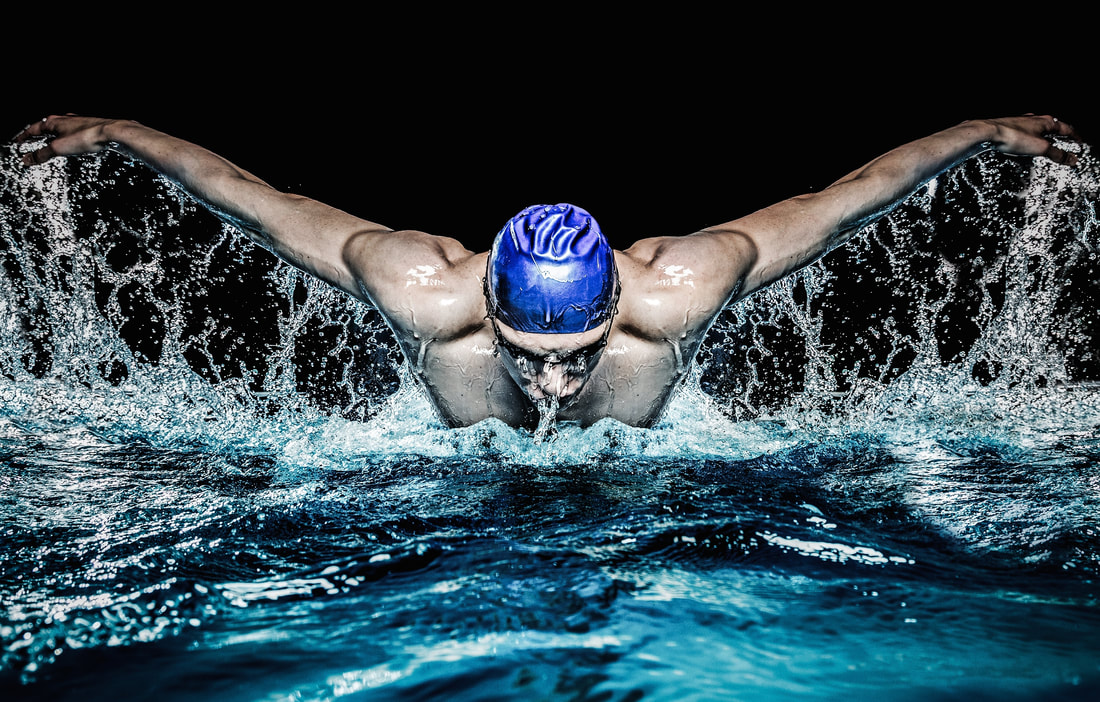 I’ve been finding my groove with sports training in the last ten years. We are all different. But sports make me feel alive, full of energy to keep going.
Inspiration During the last two years, many of us have needed inspiration to continue moving forward. Just when we start relaxing, thinking it’s safe to be out in the world again, new surprises pop up, like the Omicron variant this last December.Sometimes in the middle of chaos and hardship, however, you can find pearls. Jerry O’Mara, my new coach at Berkeley Masters Swim Club in Providence, NJ, https://www.teamunify.com/Home.jsp?_tabid_=0&team=njbac has been one of these pearls. He is a good coach. And though I see him only once a week--at 7am Sunday mornings for a one-and-a-half-hour swim--his coaching has energized me and makes me want to get back in the game. With his drills, he is teaching me how to get faster, and that is exactly what I need to do if I am going to attempt the 4.4-mile Chesapeake Bay Swim in June 2022. Everything will need to be just so: I will need to be in the best shape I can be, and the weather and the current will need to be just right. With luck, no new virus will come up to cancel the event. In my last training Jerry was talking about how he himself goes to train in his YMCA. So I joined the YMCA Meadowlands https://www.meadowlandsymca.org Masters swimming class led by Mingi Kim. I realized that if I wanted to really deliver in June on my goal, I would need more weekly practice swim, Here is to practicing 3 to 4 days a week. Once my local swimming pool 10 minutes from where I live, in Weehawken, NJ, is open, I will be able to practice 4 to 6 days a week, incorporating training from longtime coach Rob of Colburn Body Concept http://colburnbodyconcepts.com and adding Jerry’s and Mindi’s feedback and techniques. I can’t wait! Feedback and Learning What Jerry does really well is give me timely feedback so that in between drills I know what I can improve. It could be my stroke, or my breathing; it’s also helpful when he acknowledges what I did well during an especially tough drill. His feedback and encouragement go a long way to keep me showing up and giving my best. To set up my training schedule in 2022, Rob, along with his partner Stephanie, reviewed my progress and goals. The plan we created includes running, cycling, weights, and swimming to prepare me for the big swim in June. I’ve also been receiving feedback lately on how to improve my writing from my journal editor Martin Wilcox https://martinwilcox.net/about/martin-wilcox-and-publishing-in-context/ because I’ve been drafting a paper for a professional journal. Sor far, I’ve rewritten the whole paper twice and have made countless revisions. This has been a learning curve. Fortunately, I have an editor/coach who also has helped me with my revisions, encouraged me, and asked penetrating questions. The editor and reviewers of the journal ask me to improve, change sentences, query on ideas, and overall have given great suggestions. I had no idea how difficult it would be to write a paper solo, given that my last paper was a collaboration. Finally my editor for my blogs, Nancy Evans https://www.linkedin.com/in/nhevans/ keeps me on track and helps me craft my ideas always pointing out how important it is to be reminded of the reader’s needs and helping me with my sentence structures as French is my first language. Staying the course in writing and not giving up, just like in swimming, is a must My clients receive feedback, as well, through a 360 or with assessments. They receive feedback on their strengths and on what they could improve. Many are surprised by some of the feedback, but it is this surprising feedback that can make a big different in their lives. Many have no idea how they are perceived and the impact this may have on their leadership. It’s such a discovery and learning process, and once they get over this new information and explore what they would like to do with it, tremendous results can unfold. We all have to embrace the learning journey that is part of being human, and really good feedback can make such an important difference. I’m not saying it’ always easy for me or my clients, but the journey is necessary for our growth. Combining Inspiration, Feedback, Learning In challenging times, it is such a help to have someone who inspires you, gives you feedback, and encourages you to keep learning. I love being inspired by and learning from my coaches in my sports training. In turn, I also love inspiring, coaching, and helping my clients understand their feedback for best results. Who inspires you, encourages you, gives you feedback, and coaches you? Could you use a coach? In what domain or area of your life? Could you use a leadership development coach or career-pathing coach? If you need one, don’t hesitate to reach out and seek a consultation to see if we can be of help. I don’t see any other way to look at life than as a long learning journey, especially to help us navigate surprising--sometimes challenging and at other times delightful--times. So, cheers to 2022 and what it may bring. Wishing you a learning journey in 2022 full of twist, turns, feedback, learning, and impact! If you are interested in setting goals for 2022, getting feedback through a 360, or creating a. career or leadership development plan, you can learn more about our services at our website at www.desormeauxconsutling.com or reach out to me at [email protected]. 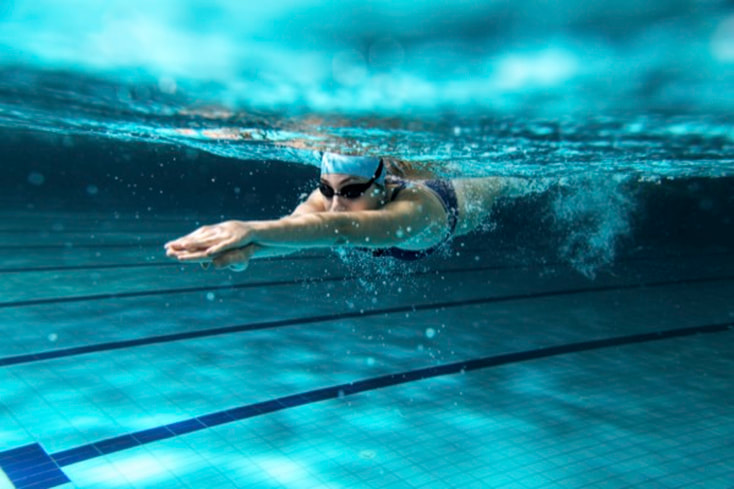 If change happened last year, get ready for even more change. The ongoing health threats associated with the coronavirus; climate disruptions like megadroughts, 1000-year floods, and uncontained wildfires; and people displaced by political and military unrest – these combine to impact every community, city, nation, and the world. We are all, every one of us, dealing with accelerated change, and we all need to find the resources and tools to navigate it.
How will you, your clients, your company, your industry adapt to the radical ways in which our world is shifting? What will keep you grounded? The new normal requires us to be creative, innovative, and flexible. Let’s look at how being grounded--in your body, your mind, and your emotions—is critical to staying balanced, when nothing else is. Physical Grounding When you are grounded, you have the ability to be calm in the midst of uncertainty. It means that you are able to stay focused on your values and your vision for your life and not get derailed by what’s going on around you. One simple (not necessarily easy!) way to stay grounded is to focus on your body, either through exercise or using relaxation techniques like breathing (taking slow, deep breaths). For me, making a training schedule and following through on it has been key. With the help of my coach, Rob at http://colburnbodyconcepts.com, I’ve been able to keep up with my running. But what really has energized me lately is the community pool http://www.weehawken-nj.us newly built in my neighborhood. I’ve been going swimming every morning I can and doing the swimming workouts outlined by Rob on https://app.trainingpeaks.com. I might be able to jump back in doing lake and ocean swims by the time Spring 2022 comes around. The pool is an outdoor pool and only opened for a few weeks until they build the cover which should be ready in December 2022. In September I will sign up again for the Masters Swim Team Unify https://www.teamunify.com/SubTabGeneric.jsp?team=njbac&_stabid_=63739 to get at least a swim per week early Sunday mornings until the cover of the Weehawken pool is ready. Once the cover is built I will be training every week and may attempt the 4.4 mile Great Chesapeake Bay Swim http://www.bayswim.com in 2022 or 2023 if everything lines up. I’m sharing this because staying on track with exercise has helped me so much to navigate the pandemic and its ups and down. As you likely know, research shows that exercise increases production of endorphins (the neurotransmitters responsible for making you feel good!), improving mood and mitigating the negative effects of stress. It helps us to be present in the moment. Mental and Emotional Grounding Life feels like it’s getting redefined daily. So what else can you do to manage all these changes and surprises and stay grounded? In addition to exercise and other physical grounding techniques, there are ways to refocus mentally, quieting down our overloaded brains by redirecting negative or overwhelming thoughts. And just like we need to exercise our bodies regularly to keep them in shape, we need to practice certain mental habits to keep our minds in shape and help us self-regulate. There are many ways to do this. It can be as simple as journaling or listening to music or talking to a friend. Among my favorites, which I’ve written about before, are meditation and mindfulness. But they are worth mentioning again. For example,using headspace https://www.headspace.com/about-us morning or night for 10 to 20 minutes as they have multiple areas of meditation like stress, anxiety, creativity and focus can be invaluable for emotional grounding. I’ve been recommending this for years to clients and have been using the app, especially the creativity section, to continue to inspire innovation. Transitioning For many of us, our radically shifting times have challenged our assumptions about what the good life is supposed to look like. I am still driven to work and travel, but something deeper happened to me during this last year. I want a more fulfilled experience of living, to experience life on a more profound level. Getting close to death seems to do that to people. The realization that we won’t be here forever and that this might be your last year or last few years makes a difference. In this changing world, who knows what comes next? Leaving a job, starting a new one, taking retirement sooner. People getting clearer about what they want to do now with work, home life, or lifestyle seems to be a priority. The stakes have changed. I see this with my clients, who are re-evaluating what’s important and setting new goals, for themselves and their companies. More than ever, goals and values must align. When they do, leaders are better able to adapt to a change and continue to deliver results. To keep growing and learning during the pandemic is admirable, and I am in admiration of all of these client efforts on behalf of their employees. Kudos to all of them. Planning for Success With a grounded mindset you can meet the challenges facing you and develop the skills for success, whether you are a millennial, Gen X, or Baby Boomer. You have the power to envision and create a better future. At Desormeaux consulting, one of our offerings is career advancement and transitions coaching for senior leaders looking for their next role and/or envisioning their next steps. These sessions can include creating multiple scenarios, structured planning and timelines, and future visualization. We’ve also been offering career advancement and development programs for groups of diversity leaders. When change is accelerated, it impacts company cultures and focus, and these days supporting diversity leaders is a priority. Where are you when it comes to change in your career and in your life? What’s next? Could you use a few coaching sessions that would support you or your leaders in career advancement or career transition? If you are interested in learning more about our services, you can visit our website at www.desormeauxconsutling.com or contact me: [email protected].  Marathons are all about endurance, the ability to keep going for a long time in the midst of difficult conditions. We’ve all needed the endurance to work and live through the pandemic. The endurance to adapt, run a business, and overcome unexpected challenges. You have to pace yourself again and again. We still do. How can we keep doing all this?
Building Stamina From the get go, I saw my clients rise to the occasion and tackle their most urgent challenges--figuring out how to keep everyone safe, transitioning to virtual workspaces, experimenting with hybrid work models. I also saw them learn and develop new skills. They’ve kept going. We all need the stamina to keep going. One way to build stamina is through exercise. My sports training already had taught me how to endure, so I knew how important it was to keep up with my training regimen. And I did it with support from my coach, Rob at Colburn Concepts http://colburnbodyconcepts.com, with the schedule he created for me this last year in https://www.trainingpeaks.com. My focus was indoor cycling, outside runs, some swims, yoga, weights, and some surfing jumps. The focus and commitment learned from exercise can translate to other areas of life. Another way is meditation. My Headspace https://www.headspace.com meditation training of 20 minute a day also helped me stay grounded and stay the course. A few of the series I did (level I, II and III) were dealing with change, creativity, focus, and prioritizing. Some research has even shown that music can have positive effects on your heart (https://www.ncbi.nlm.nih.gov/pmc/articles/PMC4948383/). Using music throughout the year and into 2021 was central to motivating me: Spotify, Apple Music, and Fit Radio all served as inspiration, upping my energy and helping me stay the course. Staying the Course One of the most challenging aspects of this last year for clients has been how to keep digging deeper internally to stay the course. While running marathons over the last years I would find it hard to keep going around the 19th to 20th mile. I would hit a wall and would have to come up with ways to keep going. This last year has very much felt that way. We are not out of the water yet with COVID-19, even with vaccines. For many, 2020 and 2021 have meant the loss of loved ones and coping with big changes at work and at home. These experiences are changing us. Clients are emerging from this pandemic year changed as well. They worked hard and had to mine energy, spirit, and endurance to make it through. Some were really successful at creating, designing, and implementing new business programs that were and are successful and profitable. Others made it a mission to ensure their employees had the support they needed and offered new work/life balance options, with better ways to support those dealing with sickness and loss. In fact, some clients learned to work together with even more tolerance and understanding, and through the crisis, built more alignment and empathy. Reaching out for help when you need it is vital. Some clients have needed a little extra support periodically. I’ve added calls with a few key clients. I’ve also helped them strategize on next steps, next projects and helped them come up with new ways to deliver projects. Different things have kept them going: family, wanting to help, excitement about a specific program or creating new products, strengthening there internal partnerships with peers, and external partnerships with clients. What kept you going last year, and what is keeping you going this year? Using Setbacks To Propel You into the Future Persisting in the face of setbacks is key. Runner Sara Hall’s inspiring story of perseverance is told in the New York Times article She Turned 2020 Misery into a Breakthrough https://www.nytimes.com/2020/12/26/opinion/Sara-Hall-marathon-runner-united-states.html?action=click&module=card&pageType=theWeekenderLink The article talks about long-term benefits that can come from losing. It also talks about using sports to fuel your ambition. Better yet, it talks about how we are all the same, all equal, all human. And that became so clear last year with the pandemic. Like Sara Hall said: “No matter your speed and regardless of your gender, there’s something universal and authentic about the look of determination when you’re trying your best.” That is exactly what it feels like in your last marathon miles. This is what it feels like when you are trying to rebuild from the ground up or have to reinvent your organization, change strategy, and adapt to this complex and changing world. I think my clients would agree with Sara Hall’s insight: “The pandemic drew something out of me I didn’t know I had.” Moving Out of Our Comfort Zones Endurance has been the name of the game since the pandemic started. It’s about pushing past what’s comfortable, boosting confidence and feelings of well-being, enhancing the mind and body connection, and building physical endurance to support emotional resilience. It’s also about being capable of more than we think we can handle. 2021 for me means, hopefully, a gradual increase in training and bringing more swimming into my practice soon. It also means becoming savvy about virtual environments and continuing to adapt to this complex, wonderful world. What did the pandemic draw from you? How are you now different? How is that going to inform your future? What will keep you going at mile 19: music, dancing, friends, family, support, a new project, a new course, sport... or…? If you are interested in learning more about our services, you can visit our website at www.desormeauxconsutling.com or contact me: [email protected]. |
AuthorLyne Desormeaux Categories |
 RSS Feed